Mangrove Management

Community-based mangrove ecosystem management is an effort to conserve and utilize mangroves that involves local communities as primary managers. Through active participation, communities play a role in the protection, rehabilitation, monitoring, and sustainable use of mangroves to maintain environmental sustainability and improve community well-being.
WHAT TO DO?

Village Forest Management

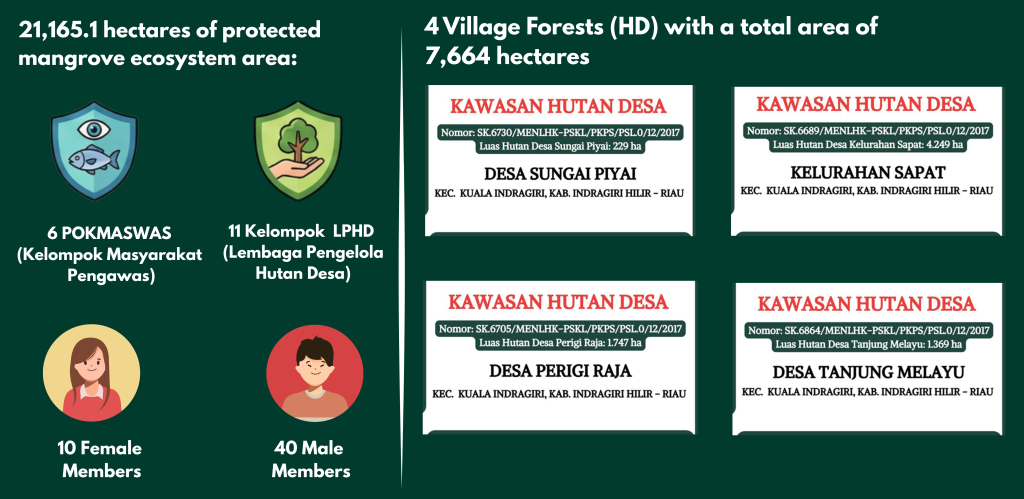
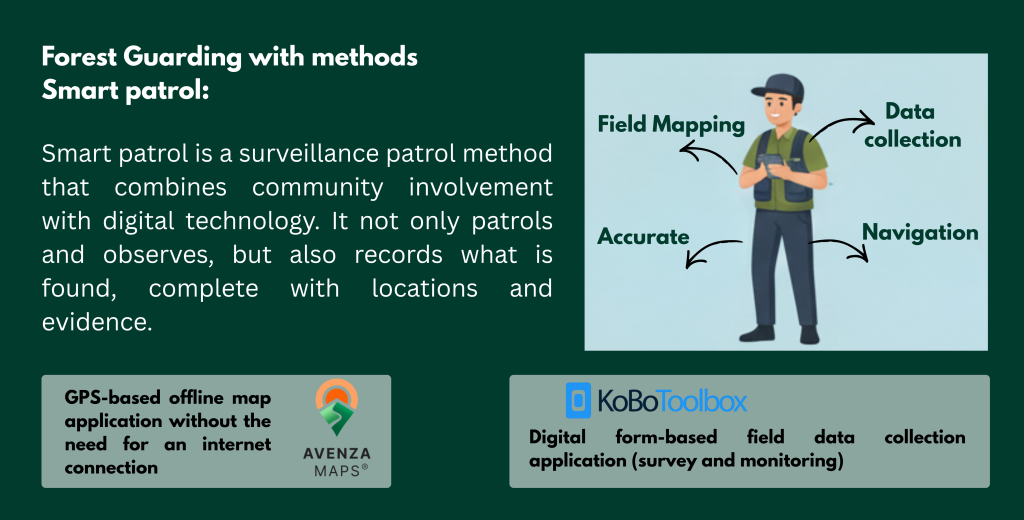
Village Forests are a social forestry program that grants village communities the right to manage, utilize, and conserve forests in a sustainable manner. The LPHD (Village Forest Management Agency) plays a role in forest planning and management, while the Pokmaswas (Community Monitoring Group) conducts participatory monitoring to prevent illegal logging and environmental damage. Synergy between the LPHD and Pokmaswas is key to achieving sustainable village forest management while improving community well-being.

Mangrove Rehabilitation:

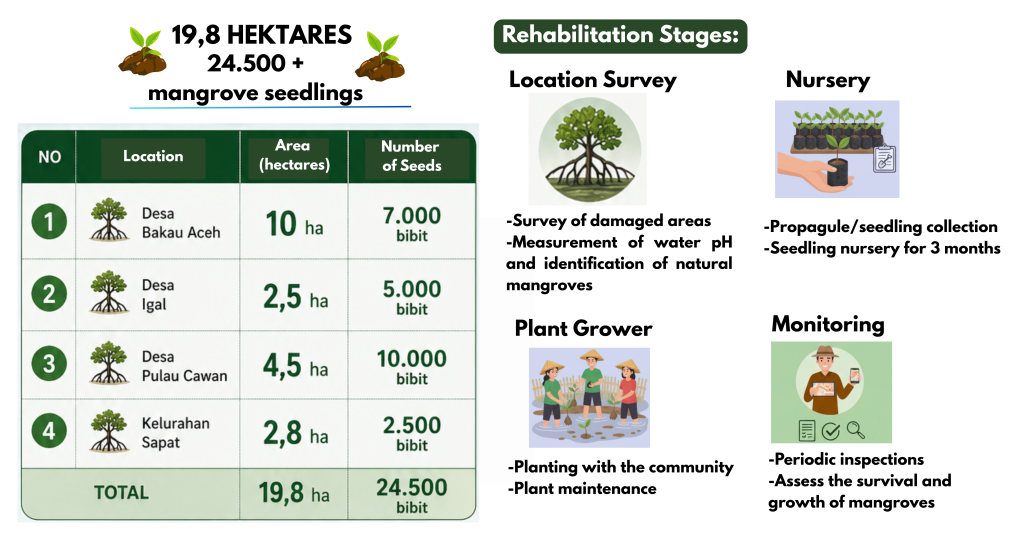
Community-based mangrove rehabilitation is an effort to restore damaged coastal ecosystems through active community involvement at every stage, from planning and seeding, planting, and maintenance. In addition to preserving biodiversity and improving environmental quality, mangrove rehabilitation also supports the livelihoods of coastal communities through sustainable resource utilization. This activity also contributes to climate change mitigation due to mangroves' ability to absorb and store significant amounts of carbon.

Baseline Mangrove:

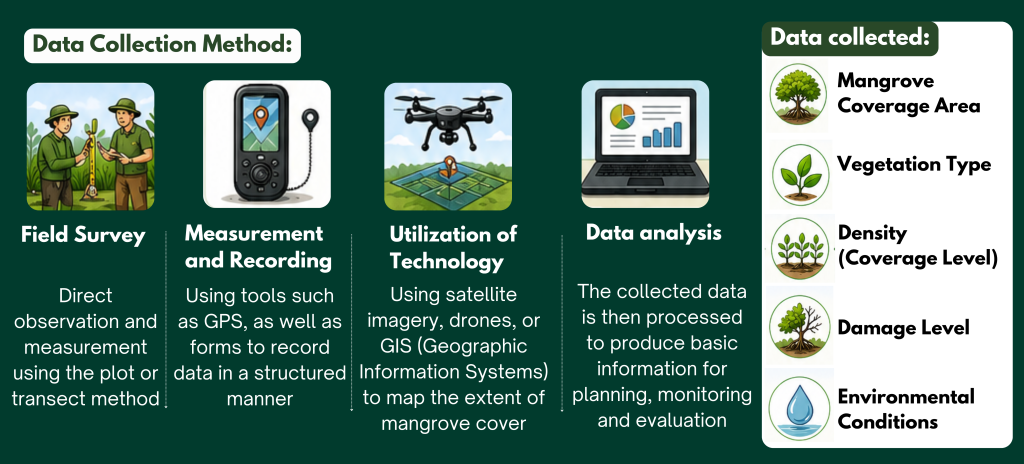
Mangrove data collection is the systematic recording of the condition of mangrove ecosystems, including area cover, vegetation type, density, level of damage, and surrounding environmental conditions. Data is obtained through field surveys, direct measurements, and the use of mapping technology. This information serves as a critical basis for rehabilitation planning, monitoring and evaluation, and policymaking for sustainable mangrove management. Furthermore, mangrove data helps identify potential issues and challenges, enabling more targeted interventions.

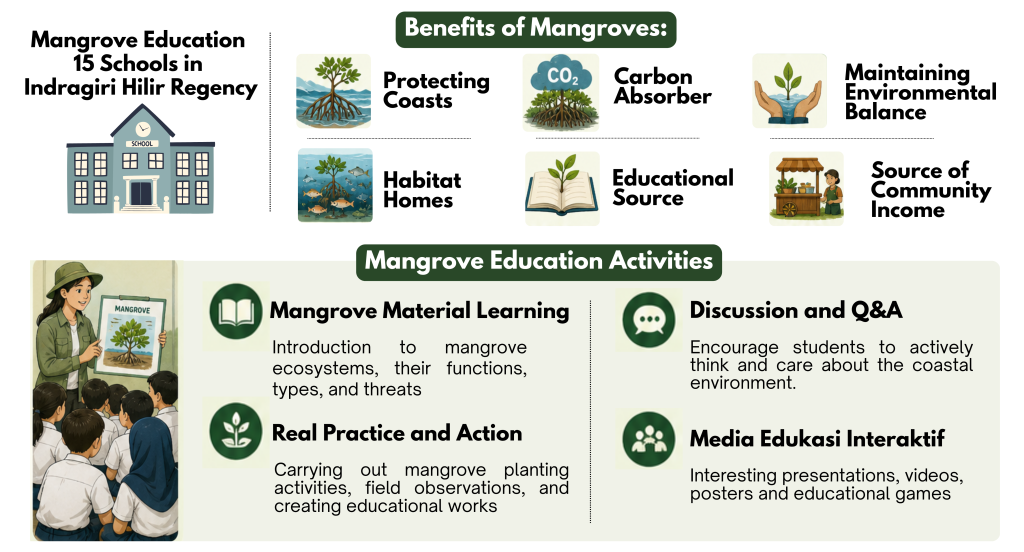
Learning :

Mangrove learning is an environmental education activity aimed at increasing the younger generation's understanding and awareness of the importance of mangrove ecosystems. This activity is delivered through educational materials, interactive discussions, and field practices, such as planting and observing mangroves. Through this approach, young people not only gain knowledge but are also encouraged to play an active role in sustainably protecting and preserving coastal ecosystems.